
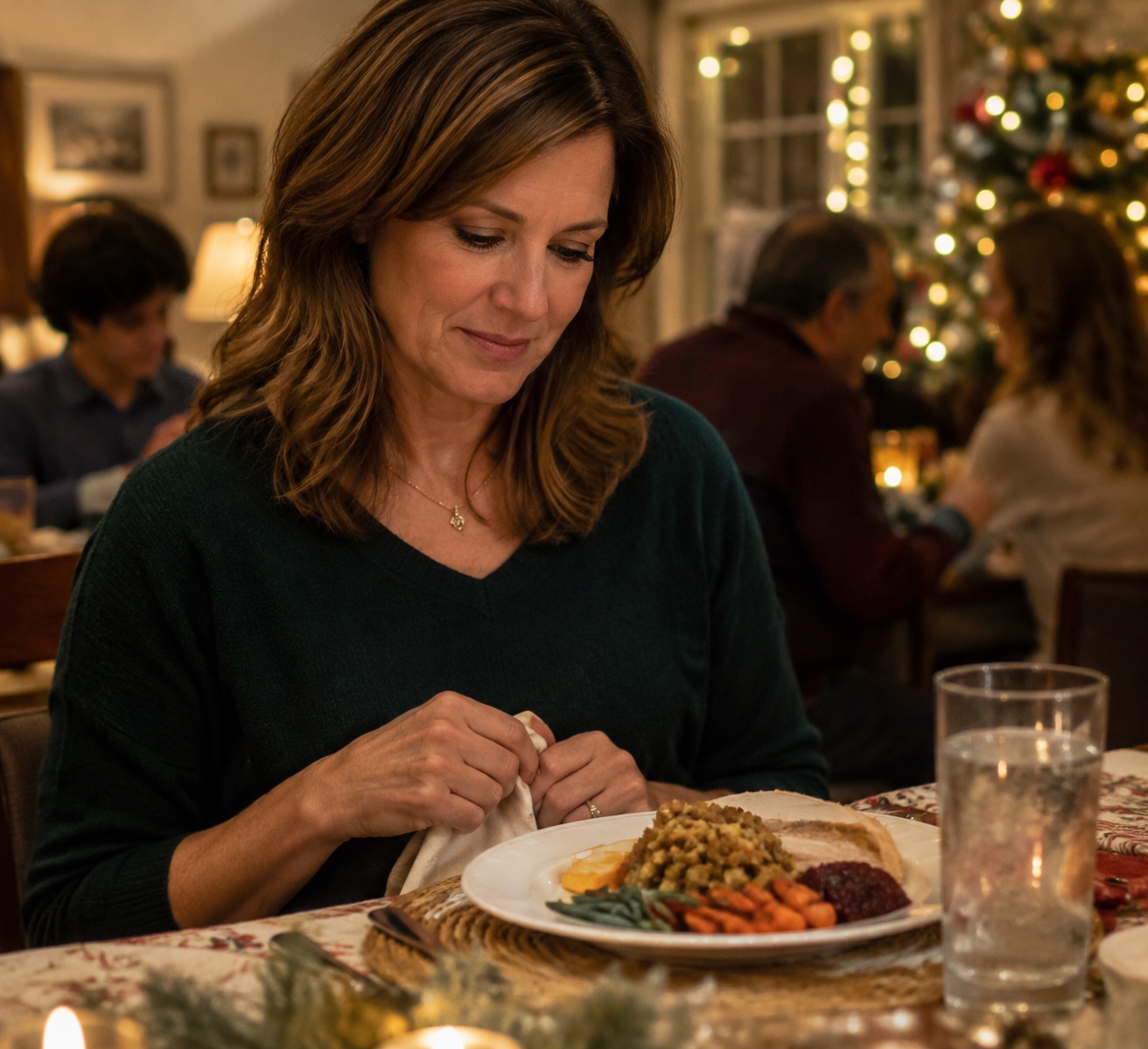
Holiday meals bring food, family, and conversation together. For many people, they also bring pressure: the sense that you should eat everything, try everything, or finish everything on your plate. If you are working toward a healthier weight, the season can feel less like a celebration and more like a test.
At Inspire Weight Loss Nutley, we help women in Nutley and Essex County build realistic habits that can carry them through busy seasons. One of the simplest practices we share is staying present while you eat.
What Does It Mean to Eat Mindfully?
Mindful eating means paying attention to the experience of eating without judging it. That includes noticing flavors, textures, and aromas, along with your body's signals of hunger and fullness. It also means recognizing when your attention drifts to distraction, stress, or a conversation.
The practice is not about labeling foods "good" or "bad." It is about creating enough awareness to make deliberate choices while you are eating, rather than afterward. Cleveland Clinic's guide to how to practice mindful eating explains how slowing down and removing distractions can help you notice why, when, and how much you are eating.
Begin Before the First Bite
Mindful eating can start before the meal begins. A brief pause can help you arrive at the table with more intention.
Consider these steps before you begin:
- Take a few slow breaths.
- Notice your actual level of hunger.
- Choose the foods that sound most satisfying.
- Set a comfortable pace.
- Put your phone somewhere out of reach.
This short check-in does not require a special ritual. It simply gives you a moment to decide how you want to experience the meal.
Simple Ways to Stay Present
During the meal, small cues can help keep your attention where you want it. Try one or two of these:
- Notice the taste and texture of each bite.
- Put your utensils down between bites.
- Take a few sips of water during the meal.
- Pause for conversation before serving more.
- Check in with your level of fullness before adding seconds.
You do not need to apply every suggestion at once. Pick a small practice that feels realistic and use it consistently.
Release the Pressure to Finish Everything
Many people grew up hearing that they should clean their plate. During a holiday meal, that habit can push you past the point of comfort.
You are allowed to leave food on your plate. You are allowed to take a smaller portion and ask for more later. You are also allowed to enjoy something simply because it tastes good.
A calmer approach starts with permission. When you eat knowing you can stop, you are more likely to notice fullness while it is still comfortable.
Make Space for Connection
Holiday meals are about more than the food. Conversation, eye contact, storytelling, and shared laughter can make a meal feel more satisfying than eating alone.
Harvard Health's guide to an essential way to combat loneliness describes how strengthening the relationships you already have supports long-term health. A shared meal can be one practical place to practice that connection.
If you find yourself eating mostly out of boredom or habit, a change of setting may help. Move away from the table, take a short walk, or join a conversation that has nothing to do with food.
Respond Kindly if You Eat More Than Planned
Even with the best intentions, you may eat more than you expected. That is normal, especially during celebrations.
Responding with criticism rarely improves the next meal. A kinder response might include:
- Returning to your usual routine at the next meal.
- Adding a walk or another form of movement.
- Drinking water and resting.
- Noticing what made the meal hard to pace.
- Avoiding compensation through skipped meals.
If thoughts about food, body image, or eating feel distressing or hard to manage on your own, the National Eating Disorders Association's body image resources can help you find support.
Mindfulness Takes Practice
Mindful eating is a skill, not a one-time decision. Some meals will feel intentional, and others will not. Both outcomes are part of the process.
If you want a gentler starting point, choose one meal or one snack each day and eat it without distraction. Over time, the same awareness can become easier to bring to larger holiday meals.
Support for Sustainable Habits
A clinician-guided weight loss approach can help you build habits that fit your schedule, preferences, and health history. Inspire Weight Loss Nutley provides one-on-one guidance, body composition tracking, and optional Contour Light® non-invasive body contouring for suitable clients.
For more seasonal ideas, read How to Build a Balanced Thanksgiving Plate.
Bring Your Attention Back to What Matters
This holiday season, give yourself permission to eat with attention rather than pressure. Notice the food, enjoy the company, and respond kindly to yourself if the meal does not go exactly as planned.
Ready for a More Balanced Approach?
Schedule a consultation with Inspire Weight Loss Nutley and let's talk about your goals.