
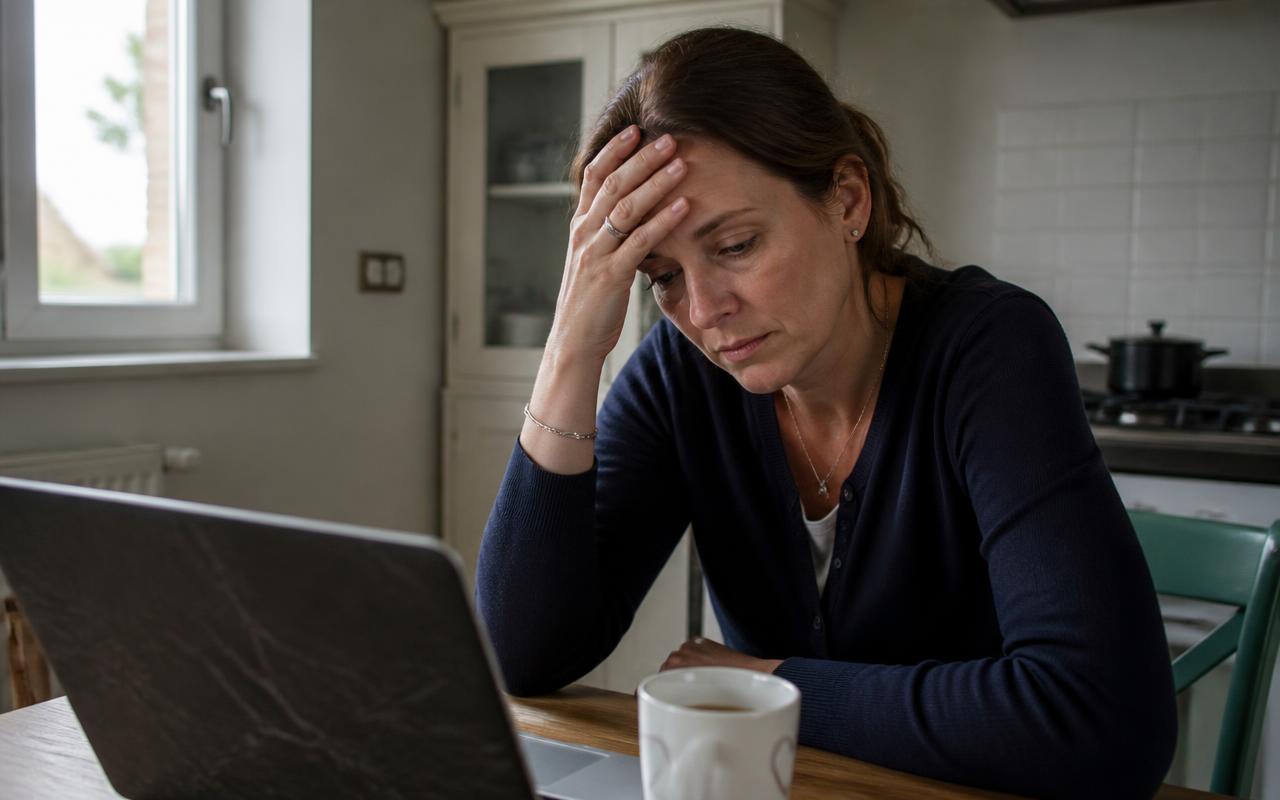
Have you ever noticed that healthy choices feel harder when you are stressed?
Maybe you crave more comfort foods. Maybe you snack without thinking. Maybe your sleep changes, your energy drops, or your usual routine becomes harder to maintain.
At Inspire Weight Loss Nutley, we work with women in Nutley and throughout Essex County who often feel frustrated when stress begins affecting their weight loss efforts.
Stress is not just something happening in your head. It can influence the habits that support your progress.
Why Stress Can Affect Weight Loss
When life feels overwhelming, many parts of your routine can change at the same time.
Stress may contribute to emotional eating, increased cravings, poor sleep, lower energy, less movement, skipped or irregular meals, and more convenience-food choices.
When these patterns continue, staying consistent becomes much more difficult.
Stress Can Change the Way You Eat
Food can become a quick source of comfort during difficult days.
You may reach for something sweet after a stressful meeting or snack at night after taking care of everyone else all day.
Sometimes you may not even feel physically hungry. You are simply looking for relief. Recognizing that difference is an important first step.
Poor Sleep Can Make Everything Harder
Stress and sleep often affect each other.
When your mind is busy, falling asleep or staying asleep may become more difficult. The next day, low energy can make planning meals, exercising, and making intentional food choices feel harder.
One difficult night does not ruin your progress. But an ongoing pattern deserves attention.
Stress Can Disrupt Your Routine
Many women do well when life feels predictable.
Then a stressful period arrives and the habits that were helping begin to disappear. Meals become irregular. Movement gets pushed aside. Water intake drops. Convenience becomes the priority.
This is why managing stress is not separate from healthy living. It is part of it.
Simple Ways to Protect Your Progress During Stress
Pause Before Eating
Before reaching for food, ask yourself: "Am I physically hungry, or am I trying to change how I feel?" You may still choose to eat, but the pause creates awareness.
Keep Meals Simple
Stressful weeks are usually not the time for complicated recipes. Focus on simple meals with protein, vegetables, and other foods that help you feel satisfied.
Protect One or Two Core Habits
You may not be able to maintain your ideal routine during a difficult week. Choose a few habits to protect, such as hydration, regular meals, or a short daily walk.
Find Another Way to Decompress
A walk, a few quiet minutes, calling a friend, journaling, or another calming activity can give you an option besides automatically turning to food.
If you are not sure whether emotions are influencing your eating, you may also want to read our blog on Emotional Eating: Recognizing the Signs.
Do Not Add More Stress With Perfection
One of the worst responses to a stressful week is creating an even stricter plan.
You do not need to punish yourself for being human.
The goal is to maintain enough structure to keep moving forward and return to your usual habits as life settles down.
Support Can Help You See the Bigger Picture
A clinician-guided weight loss approach can help you build realistic nutrition and lifestyle habits around your individual needs instead of relying on extremes.
One-on-one support and body composition tracking can also help you focus on meaningful progress beyond day-to-day scale changes.
And if certain areas remain stubborn despite your efforts, non-invasive body contouring with Contour Light® can complement your routine.
Stress Does Not Have to Control Your Progress
You cannot remove every stressful situation from your life.
But you can become more aware of how stress affects your choices and build strategies that make difficult weeks easier to navigate.
Ready for More Support?
If stress, cravings, and inconsistent routines keep getting in the way of your goals, we are here to help.
Schedule a consultation and let's talk about a realistic approach that supports your health and your life.