
Sustainable weight loss isn’t just about counting calories—it’s about choosing the right foods that fuel your body efficiently. Nutrient-dense foods play a critical role in helping individuals not only lose weight but maintain a healthy lifestyle long-term. Unlike low-nutrient, high-calorie foods that leave you hungry and craving more, nutrient-dense options keep you satisfied while providing essential vitamins, minerals, and antioxidants. In this article, we’ll explore the importance of nutrient-dense foods in sustainable weight loss and how you can incorporate them into your daily routine.
What Are Nutrient-Dense Foods?
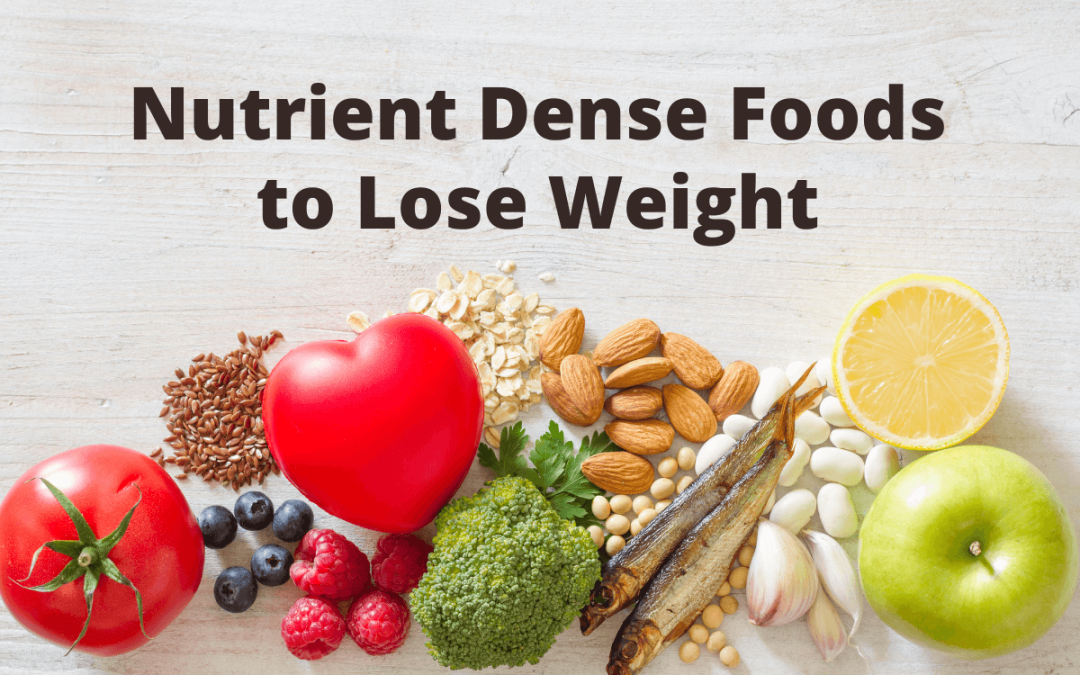
Nutrient-dense foods are those that provide a high amount of essential nutrients relative to their calorie content. These foods include a variety of whole, minimally processed options such as:
- Leafy greens (spinach, kale, Swiss chard)
- Lean proteins (chicken breast, turkey, fish, tofu)
- Healthy fats (avocados, nuts, seeds, olive oil)
- Whole grains (quinoa, brown rice, whole wheat bread)
- Legumes (beans, lentils, chickpeas)
- Fruits and vegetables (berries, oranges, bell peppers, carrots)
By prioritizing these foods, you ensure that your body gets the necessary macronutrients and micronutrients needed for optimal health and weight management.
Why Nutrient-Dense Foods Are Essential for Weight Loss
1. They Keep You Full Longer
Highly processed foods with added sugars and unhealthy fats tend to spike blood sugar levels and lead to energy crashes. Nutrient-dense foods, on the other hand, provide steady energy and help regulate hunger hormones, keeping you full for longer periods.
2. They Support Metabolism and Fat Burn
Your body requires essential vitamins and minerals to effectively metabolize food and burn fat. Nutrient-dense foods contain B vitamins, iron, magnesium, and other nutrients that support metabolic function and promote fat loss.
3. They Reduce Cravings and Emotional Eating
When your body is properly nourished, you’re less likely to experience intense cravings for sugary or high-calorie foods. Eating nutrient-rich meals balances blood sugar levels and reduces the likelihood of emotional eating or binge eating episodes.
4. They Promote Gut Health
A healthy gut microbiome is essential for digestion and overall health. Foods high in fiber, such as vegetables, legumes, and whole grains, promote good gut bacteria and support digestive regularity, which is crucial for weight loss and overall well-being.
5. They Prevent Nutrient Deficiencies
Weight loss diets that rely on extreme calorie restriction often result in nutrient deficiencies, leading to fatigue, weakened immunity, and muscle loss. Nutrient-dense foods ensure that you meet your daily nutrient needs even when consuming fewer calories.
How to Incorporate Nutrient-Dense Foods into Your Diet
1. Plan Balanced Meals
Aim to include a source of lean protein, healthy fat, fiber, and complex carbohydrates in every meal. This combination helps maintain energy levels and keeps you feeling satisfied.
2. Prioritize Whole, Unprocessed Foods
Avoid ultra-processed foods that contain added sugars, preservatives, and unhealthy fats. Instead, opt for whole foods that are as close to their natural state as possible.
3. Use Healthy Cooking Methods
Steaming, baking, grilling, and sautéing with healthy oils are great ways to preserve the nutritional value of your foods while enhancing their natural flavors.
4. Add More Vegetables to Your Meals
Sneak extra veggies into your diet by adding spinach to smoothies, tossing extra greens into omelets, or replacing refined grains with cauliflower rice or zucchini noodles.
5. Stay Hydrated
Water plays a crucial role in digestion, metabolism, and overall health. Drinking enough water ensures that your body can effectively absorb nutrients and eliminate toxins.
Conclusion
Sustainable weight loss isn’t about short-term diets—it’s about making long-term lifestyle changes. Nutrient-dense foods provide the foundation for a healthy body, balanced energy levels, and effective weight management. By prioritizing whole, unprocessed foods rich in essential nutrients, you can achieve and maintain your weight loss goals in a way that supports overall health and well-being.